
Introduction
Social media is no longer just a platform for communication and entertainment. Today, it has become a powerful sales channel where businesses can directly connect with customers and generate revenue in real time.
This transformation has led to the rapid growth of social commerce and livestream selling — two of the biggest trends in modern Digital Marketing.
Platforms such as:
are changing how people discover, evaluate, and purchase products online.
In this article, we explore how social commerce and livestream selling work, why they are growing so quickly, and how businesses can use them effectively.
What Is Social Commerce?

Social commerce refers to buying and selling products directly through social media platforms.
Unlike traditional ecommerce websites, social commerce allows customers to:
- discover products
- interact with sellers
- read reviews
- complete purchases
without leaving the social platform.
Examples include:
- TikTok Shop
- Facebook Marketplace
- Instagram Shopping
- livestream shopping events
What Is Livestream Selling?
Livestream selling combines:
- live video broadcasting
- product demonstrations
- real-time customer interaction
- instant purchasing
During a livestream, sellers can:
- showcase products
- answer questions
- provide discounts
- encourage immediate purchases
This creates an interactive shopping experience similar to in-store selling.
Why Social Commerce Is Growing Rapidly
1. Mobile-First Consumer Behavior
Modern consumers spend significant time on mobile devices and social media platforms.
Instead of searching for products on traditional websites, users increasingly discover products while:
- scrolling content
- watching videos
- interacting with creators
Social commerce makes purchasing easier and faster.
2. Trust Through Real-Time Interaction
Livestream selling creates authenticity.
Customers can:
- see products in real situations
- ask questions instantly
- observe demonstrations
- interact directly with sellers
This reduces uncertainty and increases buyer confidence.
3. Entertainment + Shopping
Social commerce combines entertainment with ecommerce.
This concept is often called:
“shoppertainment”
People enjoy:
- watching livestreams
- interacting with hosts
- discovering products
- participating in promotions
Shopping becomes more engaging and social.
Popular Social Commerce Platforms
| Platform | Key Strength |
| TikTok Shop | Viral product discovery |
| Community-based selling | |
| Instagram Shopping | Visual branding |
| YouTube | Long-form product reviews |
Benefits of Livestream Selling
Higher Engagement
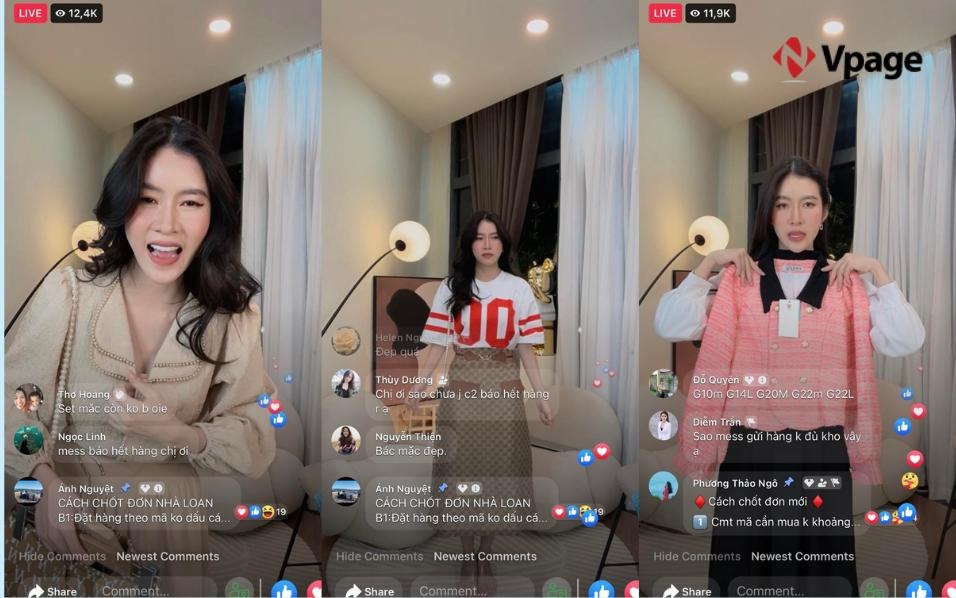
Livestreams encourage:
- comments
- reactions
- shares
- direct interaction
This creates stronger audience engagement than static advertisements.
Faster Purchase Decisions
Live demonstrations help customers quickly understand:
- product features
- product benefits
- real usage scenarios
Limited-time promotions during livestreams also encourage immediate purchases.
Lower Marketing Costs
Compared to traditional advertising, livestream selling can:
- generate organic reach
- reduce advertising expenses
- improve conversion rates
Small businesses can achieve strong results with minimal budget.
Effective Livestream Selling Strategies
Build Energy and Personality
Successful livestream hosts are often:
- energetic
- friendly
- interactive
- entertaining
Personality strongly influences audience retention.
Demonstrate Products Clearly

Good livestreams show:
- how products work
- product quality
- practical benefits
- real-life usage
Visual demonstration is essential.
Create Urgency
Common tactics include:
- limited-time discounts
- flash sales
- exclusive livestream offers
- low-stock announcements
Urgency increases conversion rates.
Interact Constantly with Viewers
Answering comments in real time helps:
- build trust
- maintain attention
- increase engagement
Viewers feel personally connected to the seller.
Challenges of Social Commerce
High Competition
Many businesses now use livestream selling, making differentiation important.
Content Fatigue
Audiences can quickly lose interest in repetitive or low-quality livestreams.
Creativity and consistency are essential.
Dependence on Platform Algorithms
Social commerce businesses rely heavily on social media algorithms, which may change frequently.
Diversifying traffic sources is important for long-term sustainability.
The Role of Influencers in Social Commerce

Influencers and content creators play a major role in social commerce because they already have:
- audience trust
- loyal followers
- strong engagement
Many brands collaborate with:
- micro influencers
- niche creators
- livestream hosts
to increase product visibility and sales.
Future Trends in Social Commerce
The future of social commerce may include:
- AI-powered shopping recommendations
- virtual influencers
- augmented reality product testing
- AI livestream assistants
- personalized shopping experiences
Social platforms are expected to become increasingly integrated with ecommerce systems.
Conclusion
Social commerce and livestream selling are transforming online business by combining:
- entertainment
- social interaction
- mobile technology
- ecommerce
Businesses no longer need large physical stores or expensive advertising campaigns to reach customers effectively.
Success in social commerce depends on:
- authenticity
- audience engagement
- product presentation
- consistent content creation
As consumer behavior continues shifting toward mobile and social platforms, social commerce will likely remain one of the fastest-growing areas in digital marketing.
Suggested SEO Keywords
- social commerce
- livestream selling
- TikTok Shop marketing
- live commerce strategy
- ecommerce livestream
- social selling
- livestream ecommerce
- mobile shopping trends
- social media shopping
- TikTok livestream selling